河西第一隘口:中外文明的边防界碑
Fortress of the Hexi Chokepoint
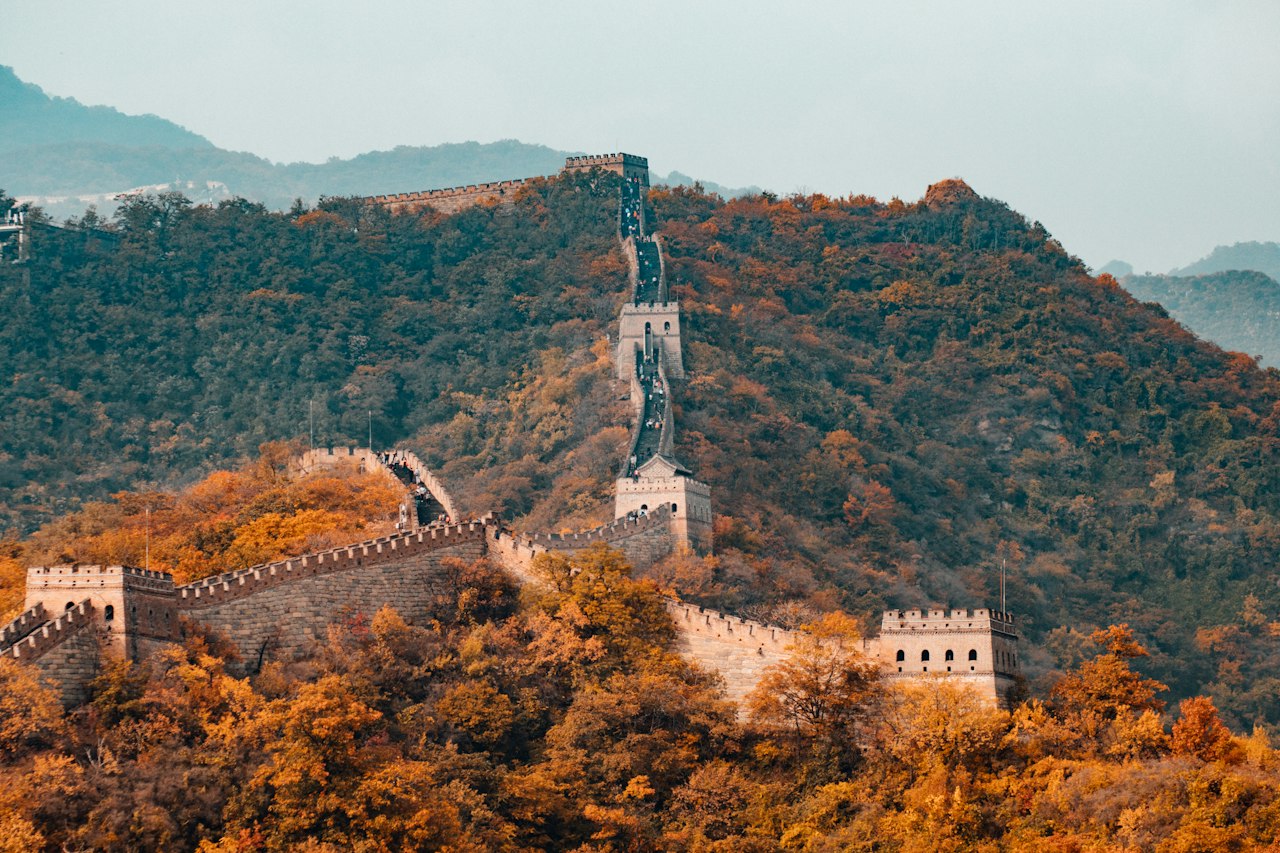
嘉峪关位于甘肃河西走廊中西段结合部,南北两翼分别为马鬃山(黑山)与祁连山脉,两山夹峙形成仅15公里宽的天然戈壁通道——这便是古称“河西第一隘口”的战略锁钥。
明朝开国名将冯胜于洪武五年(1372年)择此筑关,历经168年持续增修,构建起以嘉峪关关城为核心、北连黑山悬壁长城、南接讨赖河峡谷长城第一墩的完整边防体系。关城不仅见证了无数明清戍边将士的铁血岁月与林则徐“荷戈西戍”的家国吟咏,周边的魏晋地下壁画砖墓与祁连七一冰川更赋予了这座钢城与雄关交融之城厚重的人文与自然魅力。
Nestled where the Qilian Mountains and Black Mountain pinch the Hexi Corridor to a 15-kilometer-wide valley, Jiayuguan stood as imperial China's ultimate western frontier checkpoint. Ming general Feng Sheng initiated construction in 1372, creating an impregnable defense line.
Beyond its towering timber-framed gate towers and rammed-earth battlements, Jiayuguan safeguards the astonishing subterranean brick murals of the Wei-Jin tombs and gives gateway access to the gleaming alpine icefields of Qiyi Glacier.
核心板块导航
Explore Jiayuguan Topics
四大维度纵览雄关风采:长城要塞地标、边防军事史诗、戈壁烤肉珍馐与户外防险攻略
Four pillars of the Jiayuguan experience: Great Wall Landmarks, Ming Military History, Gobi Cuisine, and Safety Intel

嘉峪关五大传奇名胜
Top 5 Legendary Marvels of Jiayuguan
横跨两千年军事建筑史与地下艺术画廊的边塞史诗
Spanning Ming frontier engineering, Wei-Jin subterranean murals, and Qilian alpine icefields
 世界文化遗产 · 5A
UNESCO Heritage · 5A
嘉峪关关城城楼 (Jiayuguan Pass)
Jiayuguan Pass (Rouyuan & Guanghua Towers)
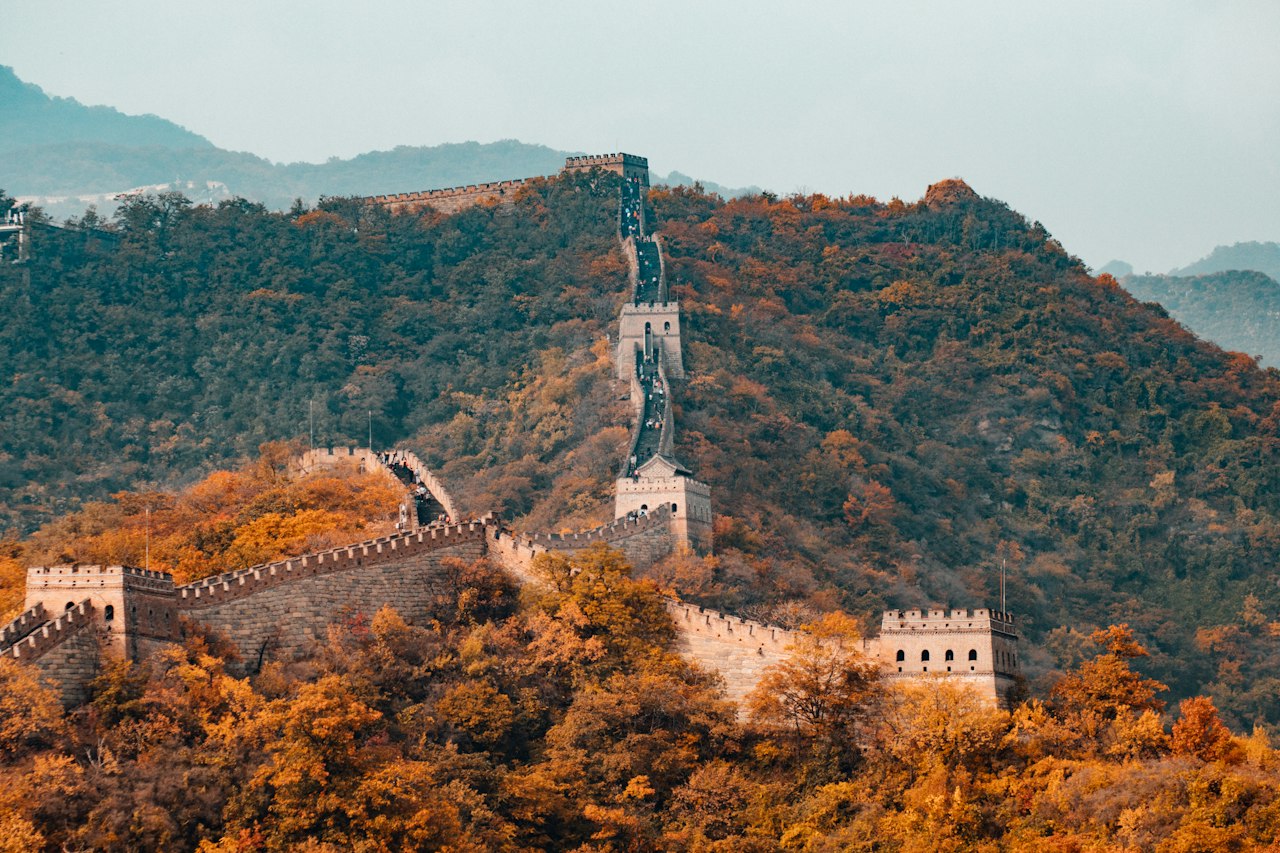
由内城、外城、罗城、瓮城与护城河组成三重防线,布局严密堪称古代军事堡垒教科书。三大歇山顶木构箭楼(嘉峪关楼、柔远楼、光化楼)巍然鼎立,西瓮城门楼檐下“天下第一雄关”巨匾气势吞云;柔远楼门洞侧留存着“定城砖”传奇遗迹。
A textbook triple-walled Ming military bastion featuring inner, outer, and barbican enclosures. Twin three-storey watchtowers—Guanghua ("Illuminating Splendor") and Rouyuan ("Pacifying the Distant")—crown the battlements alongside the West Gate bearing the plaque "First and Greatest Pass Under Heaven."
 八达岭之势 · 45°陡坡
Heishan Ridge · 45° Incline
悬壁长城 (Overhanging Great Wall)
Overhanging Great Wall (Heishan Ridge)
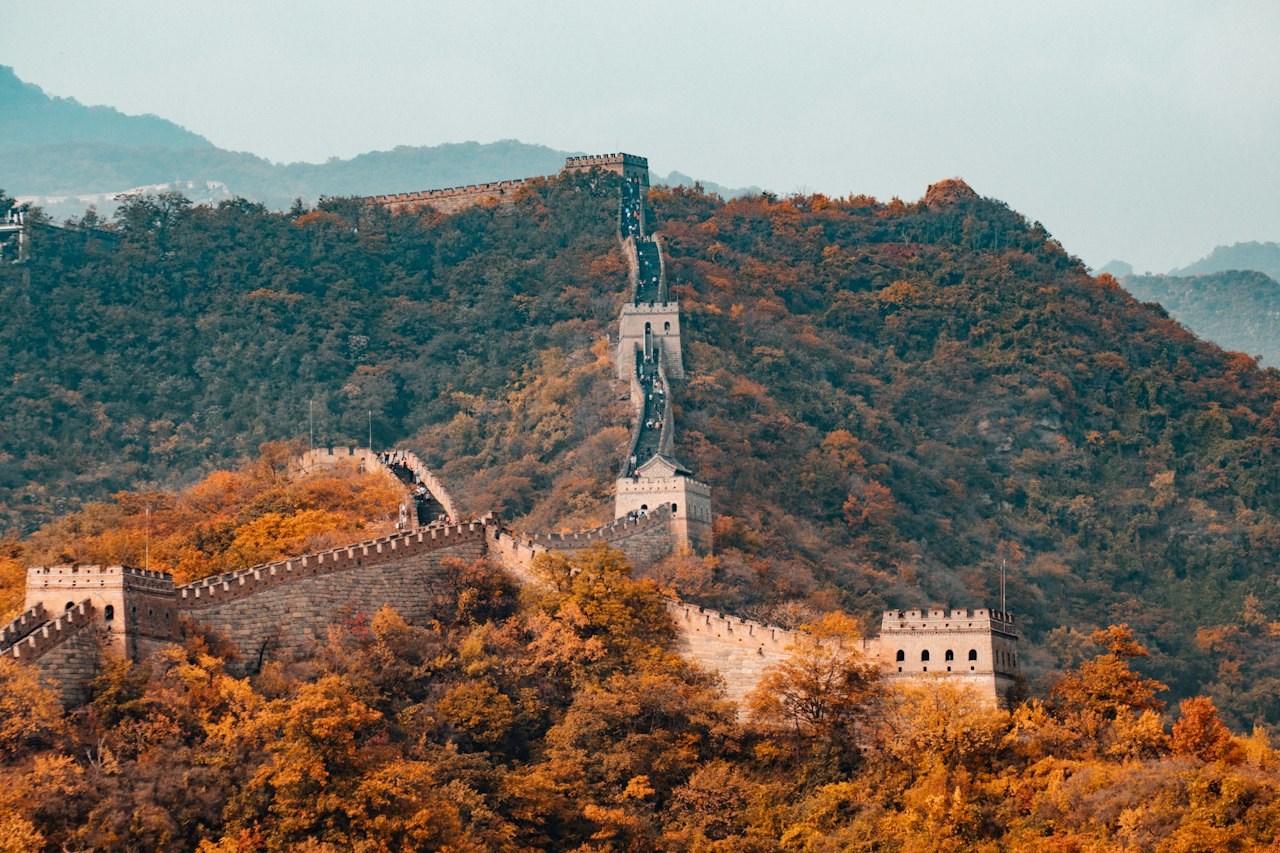
始建于明嘉靖十八年(1539年),为封闭关城北翼与黑山之间的防御缺口而筑。城墙就地取材以片石层层垒砌于坡度约45度的黑山脊背之上,远望恰似黑山悬崖垂挂而下的巨龙,素有“西部八达岭”之称,登顶可俯瞰茫茫黑山峡谷与关城全貌。
Constructed in 1539 to seal the northern mountain gap above the pass, this dramatic stone rampart scales a jagged 45-degree ridge of Black Mountain. Dubbed the "Western Badaling," it appears from afar to hang precariously down the dark scree slope.
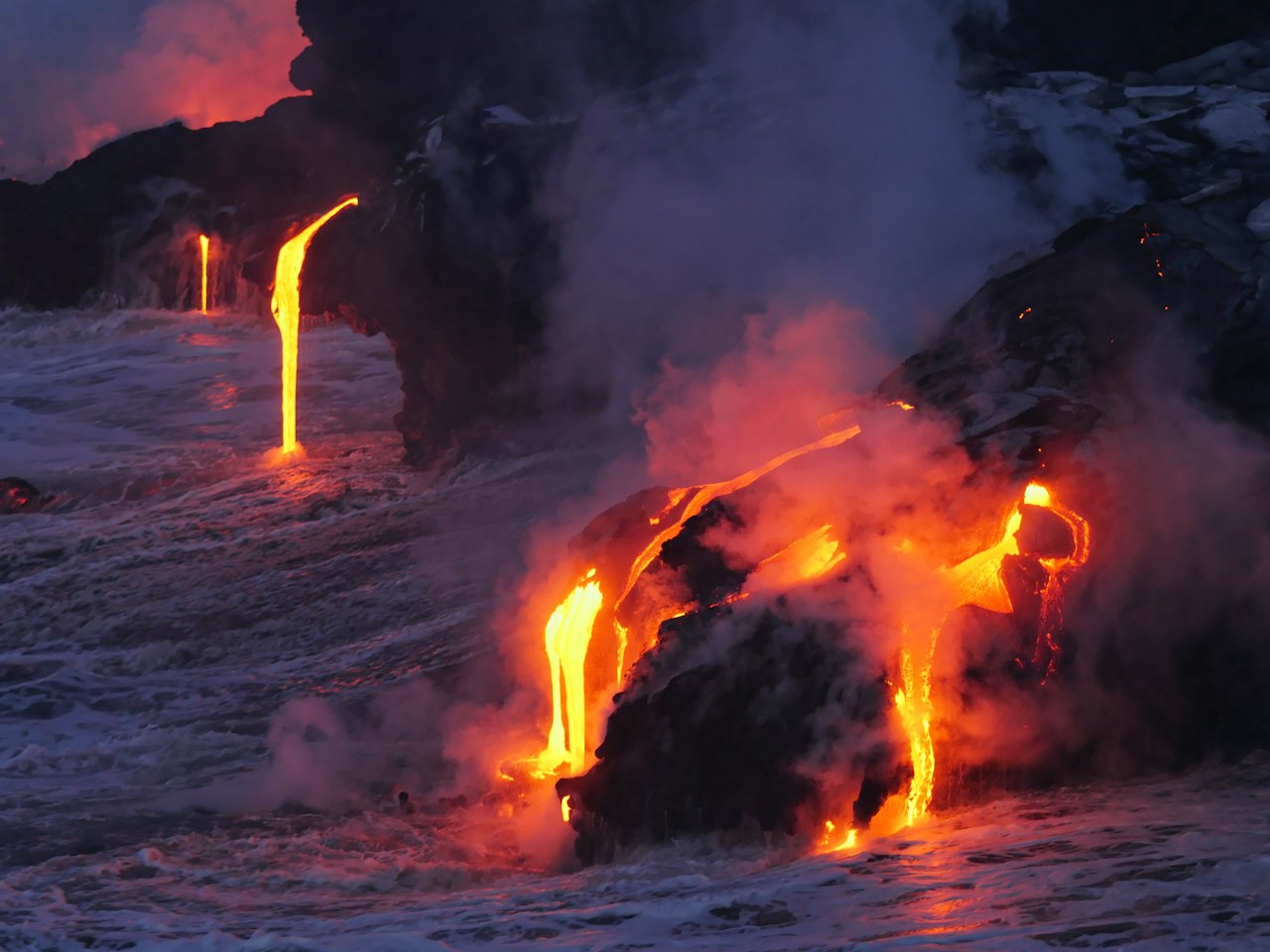 万里长城西端第一墩
Westernmost Beacon Pier
长城第一墩 (First Pier of the Great Wall)
First Pier of the Great Wall (Taolai Canyon)
明代万里长城西端最南侧的起点烽火台,始筑于嘉靖十八年,亦称“讨赖河墩”。雄踞于56米高垂直如削的讨赖河峡谷北岸断崖之巅,与河谷下方祁连雪水激流、玻璃观景台及吊桥相映,直观展现明代边墙凭险设防的壮阔气魄。
Marking the absolute southwestern origin of the Ming Great Wall, this 1539 rammed-earth beacon tower stands poised on the sheer 56-meter brink of the Taolai River Canyon. A glass skywalk and suspension bridge below showcase the roaring snowmelt gorge.
 世界最大地下画廊
Subterranean Art Gallery
魏晋壁画墓群 (Wei-Jin Painted Brick Tombs)
Xincheng Wei-Jin Painted Brick Tombs
散布于嘉峪关东北20公里新城茫茫戈壁上的1,400余座魏晋家族砖室墓,被誉为“世界最大的地下画廊”。墓室四壁“一砖一画”鲜艳描绘了千七百年前河西走廊的农耕、驿使驰骋、丝绸纺织与豪门烤肉宴饮场景——其中著名的《驿使图》更成为中国邮政徽标原型。
Scattered across the desolate Xincheng gravel plain lie over 1,400 family brick tombs from the 3rd–5th centuries. Over 700 unearthed painted bricks depict lively scenes of Silk Road life—harvesting, banquets, silk weaving, and the galloping courier immortalized as China Post's emblem.
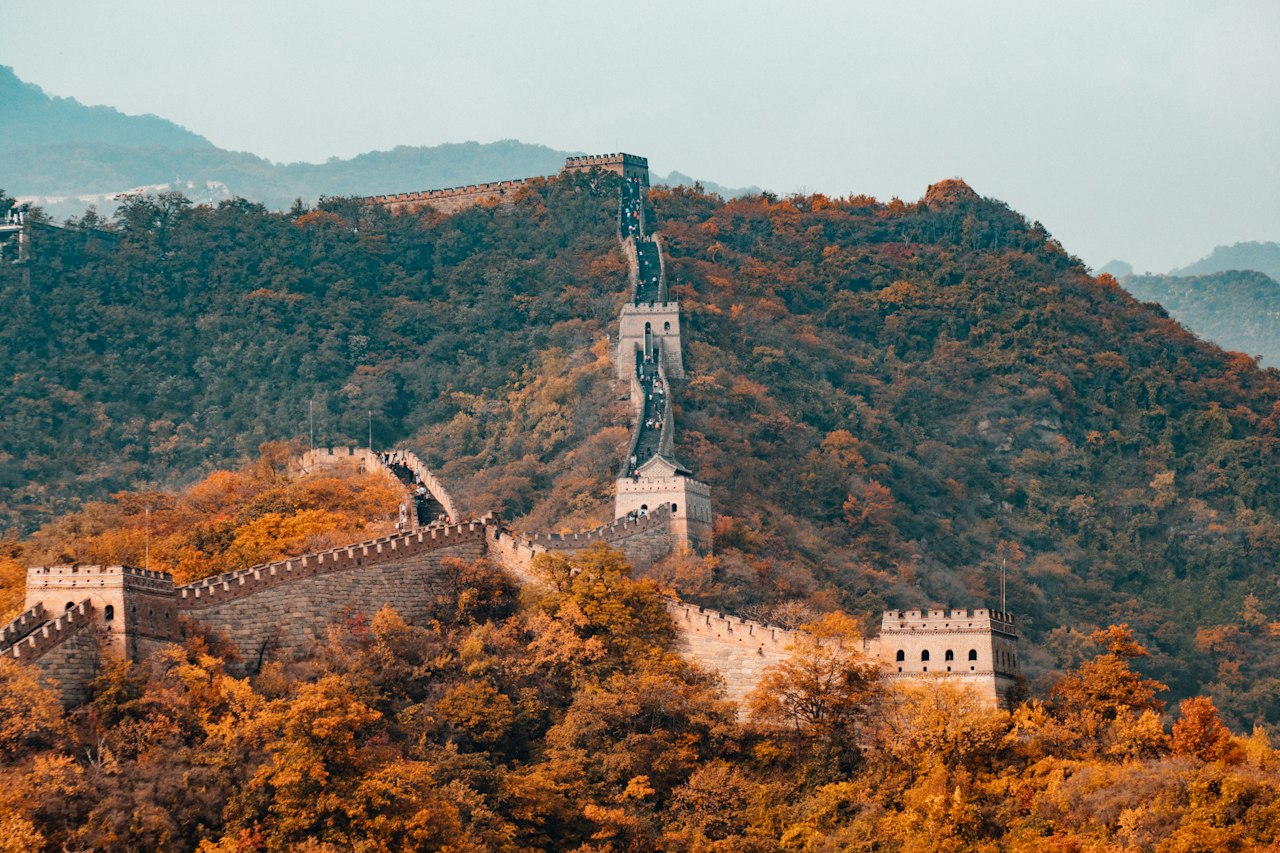 亚洲距城市最近冰川
Qilian Mountain Glacier · 4,300m
七一冰川 (July 1st Glacier)
Qiyi (July 1st) Glacier
坐落于祁连山托来山脉北坡、肃南与嘉峪关交界处,1958年7月1日中科院与苏联专家联合科考命名,是整个亚洲距离大型城市最近、可及性最高的现代山谷冰川。冰舌海拔4,300米,冰川冰峰最高达5,158米,晶莹冰瀑直插云霄,是河西黑河与讨赖河的源头圣水。
Discovered by Sino-Soviet glaciologists on July 1, 1958, Qiyi Glacier sits in the Qilian range just 116 km southwest of Jiayuguan—the closest accessible valley glacier to a major city in Asia. Its towering blue ice walls crown 4,300–5,158m ridges.
 中国首座长城专题馆
Great Wall Museum
嘉峪关长城博物馆 (Great Wall Museum)
Jiayuguan Great Wall Museum
紧邻嘉峪关关城东门外广场,是中国第一座全面系统展示万里长城两千多年修建史的专题博物馆。馆内通过战国秦汉烽燧模型、明代边防兵器、通关文牒“关照”原件复原以及多维沙盘,全景解码明朝九边重镇中“肃州镇-嘉峪关”的军事战略体系。
Positioned right beside the Pass East Plaza, this was China's first museum dedicated solely to Great Wall history. Scale dioramas, Ming garrison weaponry, and recreated customs permits decode how Jiayuguan regulated frontier trade and defense.
嘉峪关戈壁气候与长城攀登安全守则 (Gobi Safety Protocol)
Jiayuguan Windstorm, 20°C Temperature Drop & Footwear Guide
黑山风口大风沙尘防护、昼夜15-20℃剧烈温差叠穿法则,以及悬壁长城陡坡鞋具要求
Essential safeguards for Gobi dust storms, steep temperature inversions, and 45-degree ridge climbs
戈壁大风沙尘防护 (Gobi Windstorm & Dust)
Windstorm & Dust Protection
嘉峪关地处黑山与祁连山之间的狭管风口,素有“风城”之称。春夏季午后常突刮6-8级阵风伴随戈壁扬沙。户外务必随身备好防风面巾/N95口罩、密封护目镜或防风墨镜;遇强沙尘时暂避于关城箭楼背风门洞或车内,远离城墙高处边缘。
Funneled between two mountain ranges, Jiayuguan experiences fierce Gobi gusts and dust storms, especially in spring afternoons. Carry windproof buff masks, sealed eyewear, and zip pockets for phones/cameras; shelter away from exposed wall parapets during squalls.
昼夜15-20℃巨大温差防护 (15-20°C Drop)
Night-Day Temperature Inversion
戈壁地表比热容极小,白天烈日暴晒升温迅速(夏季午后可达35℃),日落后热量瞬间散失,夜间降温幅度常达15-20℃。即使盛夏观看晚间关城灯光或逛大唐美食街,也必须随身携带防风冲锋衣或抓绒外套。
Desert gravel heats rapidly by midday and loses warmth immediately at dusk, triggering 15–20°C drops every evening. Even in midsummer, bring a windproof jacket or fleece layer when staying for sunset views or night markets.
悬壁长城陡坡防滑鞋具 (Sturdy Footwear)
Footwear for Overhanging Wall
悬壁长城依45度陡峭黑山碎石坡而建,部分石阶高低不一且表面风化带沙粒极易打滑,下山时膝盖冲击较大。严禁穿高跟鞋、凉鞋或光底皮鞋攀登,务必穿着防滑深齿徒步鞋或专业运动鞋,扶稳铁索护栏缓慢上下。
The Overhanging Great Wall rises along a 45-degree weathered shale ridge with uneven steps coated in loose grit. High heels, sandals, and smooth soles are hazardous—wear sturdy lug-soled hiking boots or trail sneakers and grip handrails on descent.
烈日补水与冰川高反提示 (UV & Altitude)
Hydration & Glacier Altitude
关城、悬壁长城与第一墩全程暴晒无林荫遮挡,随身备足2升以上饮用水及杏皮茶防脱水;若计划前往海拔4,300米的七一冰川,需提前核实保护区当年准入政策,并备妥氧气瓶、防晒霜与御寒羽绒服。
All three Great Wall sites are completely exposed to bright Gobi sunlight—carry 2+ liters of water and SPF 50+ sunscreen. For trips toward Qiyi Glacier (4,300m), verify reserve permits in advance and pack heavy insulated down gear.
ChinaHaul 河西走廊与丝路微站互联网络
ChinaHaul Hexi Corridor & Silk Road Portal
嘉峪关坐镇河西走廊中西部咽喉:向东乘高铁1小时直抵“七彩丹霞”张掖;向西跨过瓜州大漠连通“丝路明珠”敦煌,并西出新疆门户哈密大海道。点击下方微站开启全域探索:
Jiayuguan anchors the western throat of the Hexi Corridor—1 hour by bullet train west of Rainbow Danxia Zhangye, and gateway toward Dunhuang and Xinjiang's Hami: